Table Of Content

Further, trichotillomania could be a symptom caused by different factors in different individuals just as a cough can be produced by a multitude of different medical problems. Treatment may also involve keeping track of hairpulling in a journal and identifying your triggers, which might occur when watching TV or lying in bed. In addition, some research suggests that people with trichotillomania have higher gray matter density in some regions of the brain. Nearly one-third of adults with trichotillomania report a low or very low quality of life. In CBT, people practice mindfulness and challenge limiting beliefs.
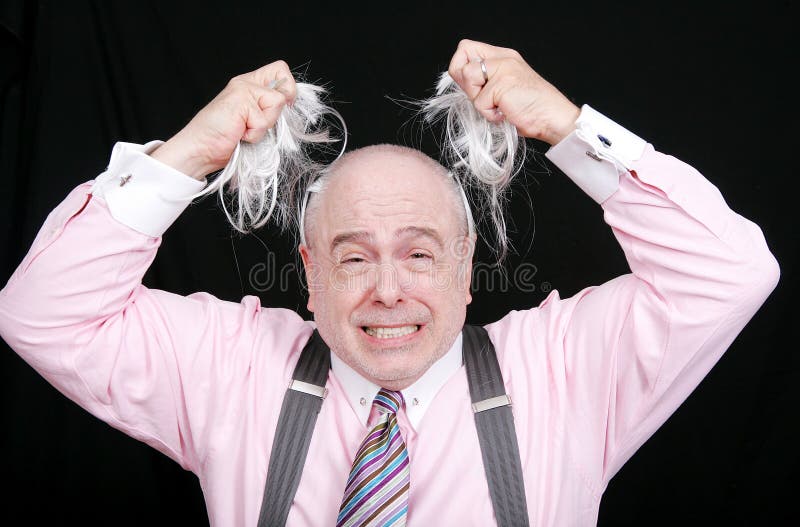
Trichotillomania Treatment
They'll also ask questions about your health history, current circumstances and anything else that might have a connection to a medical problem. If not treated, symptoms may come and go for weeks, months or years at a time. For example, hormone changes during the menstrual period can worsen symptoms in some females. Pulling out hair from the scalp often leaves patchy bald spots. This can cause a lot of distress and can affect your work, school and social life. This type of baldness does not have a particular onset age, but it typically begins after puberty.
Cognitive-behavioral therapy (CBT):
Owners Jon Reyman and Christine Thompson have put together a San Francisco- based team that focuses on getting clients the hair of their dreams. Commune, a rustic but modern salon located in Brooklyn, is the epitome of chic. The talented staff does it all, and you're guaranteed to leave with a look you're in love with.Haircuts range from $80-$120, dependent on length and style. Fox and Jane, located in the Lower East Side, was founded by Lorean Cairns and Billy Canu. The salon has an array of different stylists who specialize in everything from razor cuts to specially tailored looks.
How do I take care of myself?
People with trich feel an intense urge to pull their hair out and they experience growing tension until they do. While hair-pulling disorder cannot be cured, it can be managed with therapy. Even though hair-pulling disorder is classified as an obsessive-compulsive disorder, it is treated differently. A mental health professional can diagnose trichotillomania based on a clinical evaluation, a person's health history, and testing to rule out other causes of hair loss. There is no proven way to prevent trichotillomania, but getting treatment as soon as symptoms start can be a big help.
They may pull hair from other areas like the eyebrows, eyelashes, or any other area on their body that has hair. Many people who have trichotillomania feel embarrassed or ashamed to let other people know they pull. They may try to hide their bald patches or hair loss with hats, scarves, or wigs.

Together, you will come up with a personalized plan to treat your trichotillomania. They will work with you to learn and practice different strategies. Many types of therapy can support people with trichotillomania and even help them stop hairpulling completely. The main symptom of trichotillomania is pulling out your hair, often to the point that you have hair loss or bald patches. People with trichotillomania often try to stop pulling but can't. They also say that pulling has negative effects on their lives, self-esteem, or well-being.
The OCD Magazine – Get Involved
Can't stop pulling your hair? It could be sign of this mental health disorder - Hindustan Times
Can't stop pulling your hair? It could be sign of this mental health disorder.
Posted: Fri, 29 Mar 2024 07:00:00 GMT [source]
Other people pull or over-pluck their eyebrows because they are worried about how they look or to help themselves deal with stress. In general, trichotillomania often co-occurs with other psychological problems, such as anxiety, OCD, or eating, mood, and personality disorders. Healthcare providers may use combinations of medications, therapy techniques or both. Some people with TTM pull their hair deliberately, such as when they feel a hair is out of place or looks different from others around it. Other people pull their hair automatically without thinking about it.
Another option that research suggests may have benefit is olanzapine (Zyprexa). This drug is used to treat certain serious mental health conditions that affect the mind. One of the consequences of Trichotillomania is that a sufferer may be left with bald patches which can often have an unusual shape and affect one side more than the other. It can lead to them attempting to cover up their hair loss by using camouflage techniques that include hats, scarves, and false eyelashes.
Hair Loss Treatment Beverly Hills & Los Angeles
However, some patients have benefited from antidepressants—especially if comorbid anxiety or depression are present—or other psychiatric medications, including atypical antipsychotics. Supplementing with the amino acid N-acetylcysteine has proven effective at reducing hair-pulling behaviors in some small studies. Shame and other negative feelings prevent many people from seeking treatment specifically for TTM. Because the disorder is not widely known or understood, many who struggle with it are not aware that it's a mental health condition for which they can seek treatment.
Most commonly, people with trichotillomania pull out hair from their scalp. They may also pull out their eyelashes, eyebrows, facial hair (like beards or mustaches), or armpit, leg, or pubic hair. Often, they pull when they're stressed or bored as a way to soothe themselves. Treatment should start with reassurance, education of parent and caregiver, and discussion around possible options to manage the condition. Treatment usually involves some form of behavioural therapy including parental techniques.
Trichobezoar (undigested hair balls) is a rare but potentially life-threatening complication of trichotillomania, which results from ingestion of pulled hair (trichophagia). It may present with abdominal pain, nausea, vomiting and constipation. Individuals with trichotillomania are more likely than others to have first-degree relatives with the condition, suggesting that the disorder runs in families and has a genetic element. But experts believe that while a tendency to pull out one’s hair may be inherited to some extent, genes are not solely responsible for the development of trichotillomania. The overall outlook for this condition depends partly on the age of the person who has it.


No comments:
Post a Comment